Brick structures are built to last, but even the strongest masonry eventually requires maintenance—especially in Lansdale, where Pennsylvania’s harsh freeze-thaw cycles, heavy rainfall, and moisture exposure can gradually weaken mortar joints.
Over time, deteriorating mortar allows water infiltration, structural instability, and costly damage to chimneys, foundations, retaining walls, and brick facades. Professional tuckpointing & repointing services are essential for preserving your home’s structural integrity, restoring curb appeal, and extending the life of your brickwork.
Whether you own a historic property, modern brick home, commercial building, or aging chimney system, timely masonry restoration protects your investment while preventing more severe structural repairs.
This guide explains how tuckpointing and repointing work, common warning signs, and why Lansdale homeowners trust expert masonry specialists.
What Is Tuckpointing & Repointing?
Though often used interchangeably, tuckpointing and repointing have slightly different purposes.
Repointing:
- Removes deteriorated mortar
- Replaces damaged joints
- Restores structural stability
- Prevents water intrusion
Tuckpointing:
- Includes repointing
- Adds fine decorative mortar lines
- Improves appearance
- Enhances masonry aesthetics
Both services help:
- Strengthen brick structures
- Preserve masonry
- Prevent moisture damage
- Improve curb appeal
- Extend lifespan
Why Mortar Joint Maintenance Matters
Mortar joints are often the most vulnerable part of masonry construction.
Without proper maintenance, failing mortar can cause:
- Water infiltration
- Brick cracking
- Chimney instability
- Foundation damage
- Wall bowing
- Structural weakening
- Interior leaks
- Increased repair costs
Professional tuckpointing provides:
- Structural reinforcement
- Moisture resistance
- Long-term durability
- Historic preservation
- Improved property value
Common Signs You Need Tuckpointing or Repointing
Visible warning signs include:
Crumbling mortar
- Loose joints
- Missing mortar
- Powdery residue
Brick damage
- Cracks
- Spalling
- Surface erosion
Water intrusion
- Damp walls
- Leaks
- Efflorescence
- Mold growth
Structural issues
- Leaning chimneys
- Bowing walls
- Foundation cracks
- Retaining wall instability
Cosmetic concerns
- Faded mortar lines
- Uneven appearance
- Reduced curb appeal
Structures That Commonly Need Tuckpointing
Residential applications:
- Brick facades
- Chimneys
- Foundations
- Basement walls
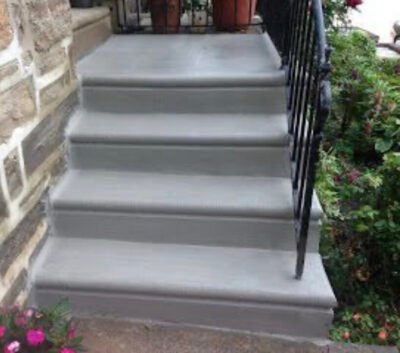
- Steps & stoops
- Retaining walls
- Garden walls
Commercial applications:
- Office buildings
- Retail properties
- Apartment complexes
- Historic structures
- Industrial masonry
Common Causes of Mortar Deterioration
Environmental factors:
- Freeze-thaw cycles
- Heavy rainfall
- Moisture penetration
- UV exposure
- Wind erosion
Structural factors:
- Foundation movement
- Poor drainage
- Aging materials
- Low-quality construction
- Improper previous repairs
Lansdale’s seasonal climate makes routine inspections especially important.
The Tuckpointing Process
Professional masonry restoration typically includes:
Step 1: Inspection
- Structural evaluation
- Mortar condition assessment
- Moisture analysis
Step 2: Mortar removal
- Damaged mortar is carefully removed
- Surrounding bricks are preserved
Step 3: Joint preparation
- Cleaning
- Surface conditioning
- Proper depth setting
Step 4: New mortar application
- Color matching
- Structural bonding
- Moisture-resistant compounds
Step 5: Finishing
- Decorative tuckpointing
- Joint smoothing
- Final sealing if needed
Benefits of Professional Tuckpointing
Homeowners gain:
- Extended brick lifespan
- Improved appearance
- Better moisture protection
- Enhanced safety
- Increased property value
- Reduced future repair costs
- Historic masonry preservation
Commercial properties benefit from:
- Liability reduction
- Better aesthetics
- Structural protection
- Lower maintenance expenses
Tuckpointing vs Full Masonry Repair
Tuckpointing is ideal when:
- Mortar deterioration exists
- Brick remains mostly intact
- Water prevention is needed
- Cosmetic restoration is desired
Full masonry repair may be required when:
- Extensive brick failure occurs
- Structural walls shift
- Foundations settle
- Chimneys lean
- Major cracking develops
Professional inspections determine the appropriate scope of work.
Additional Masonry Services That Complement Tuckpointing
Many Lansdale homeowners also require:
- Brick repair & restoration
- Chimney repair
- Foundation repair
- Basement waterproofing
- Retaining wall repairs
- Structural masonry repairs
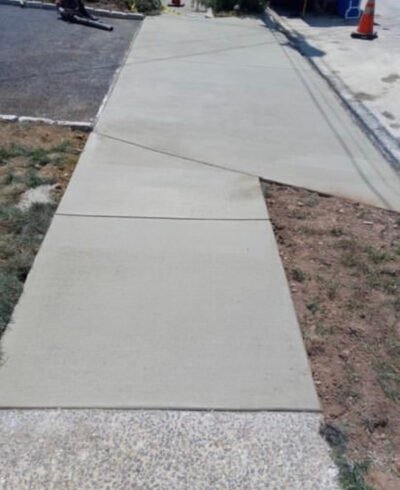
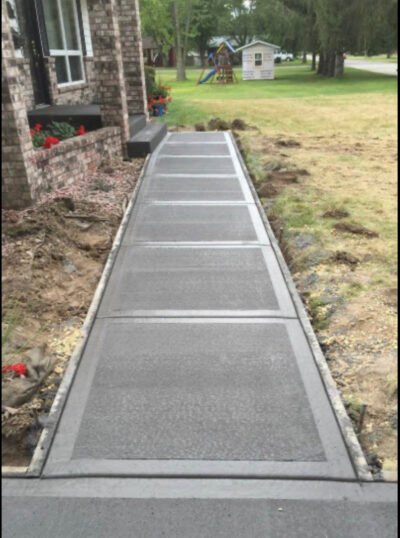
- Concrete sidewalks
- Driveway paving
A full-property approach often offers the strongest long-term protection.
Why Local Lansdale Masonry Experts Matter
Local professionals understand:
- Pennsylvania weather
- Freeze-thaw masonry challenges
- Historic brick styles
- Regional code requirements
- Soil and drainage conditions
Trusted contractors provide:
- Free inspections
- Mortar matching
- Structural expertise
- Waterproofing integration
- Licensed & insured service
- Warranty-backed workmanship
Protect Your Brickwork Before Minor Damage Becomes Major
Tuckpointing and repointing are among the most cost-effective ways to preserve masonry, improve safety, and protect long-term property value.
Key benefits include:
- Extended masonry lifespan
- Improved curb appeal
- Moisture prevention
- Structural reinforcement
- Historic preservation
- Lower future repair costs
Contact trusted Lansdale tuckpointing and repointing specialists today for a free masonry inspection and estimate.
Frequently Asked Questions About Tuckpointing & Repointing in Lansdale
How often should brickwork be repointed?
Most masonry should be inspected every few years, with repointing often needed every 25–50 years depending on exposure.
What is the difference between tuckpointing and repointing?
Repointing restores mortar joints structurally, while tuckpointing also enhances visual appearance.
Does tuckpointing prevent leaks?
Yes, properly restored mortar joints significantly reduce water intrusion.
Can old brick homes benefit from tuckpointing?
Absolutely—historic homes often require specialized masonry restoration.
How long does tuckpointing last?
Professional tuckpointing can last decades when properly installed.
Is tuckpointing worth the investment?
Yes, it protects structural integrity, prevents larger repairs, and preserves property value.