Your driveway handles daily vehicle traffic, changing weather, water runoff, snow, ice, and constant wear. For homeowners in Quakertown, PA, asphalt driveways are a popular choice because they are affordable, durable, and well-suited for Pennsylvania’s seasonal climate. However, even a well-installed asphalt driveway will eventually show signs of aging.
Cracks, potholes, fading, drainage problems, and uneven surfaces are all common signs that your driveway may need professional attention. The real question is whether you need simple asphalt driveway repair, driveway resurfacing, or complete driveway replacement.
Understanding the difference can help you save money, protect your property, and avoid paying for a full replacement when a less expensive solution may still be possible.
Why Asphalt Driveways Break Down Over Time
Asphalt is strong and flexible, but it is not indestructible. In Quakertown, driveways are exposed to freeze-thaw cycles, rain, snow, road salt, summer heat, and soil movement. Over time, these conditions weaken the surface and base.
Common causes of asphalt driveway damage include:
- Water penetration
- Freeze-thaw expansion
- Poor drainage
- UV exposure
- Heavy vehicle traffic
- Oil and chemical stains
- Weak base installation
- Lack of sealcoating
- Tree root movement
- Aging asphalt materials
Once water gets into small cracks, it can freeze and expand during colder months. This makes cracks wider and can eventually lead to potholes, sinking areas, and surface failure.
Common Signs Your Asphalt Driveway Needs Repair
Small driveway problems often become major issues when they are ignored. Spotting early warning signs can help homeowners avoid expensive replacement.
Signs you may need asphalt driveway repair include:
- Thin surface cracks
- Small potholes
- Faded blacktop
- Crumbling edges
- Loose gravel
- Minor drainage issues
- Small sunken areas
- Surface roughness
- Oil stains
- Uneven patches
If the damage is limited to a small area, repair may be enough to restore safety and appearance.
When Driveway Repair Is the Best Option
Driveway repair is usually best when the damage is minor and the base beneath the asphalt is still stable.
Asphalt driveway repair may be suitable for:
- Small cracks
- Isolated potholes
- Minor edge damage
- Surface patching
- Early signs of wear
- Small drainage corrections
Common repair methods include:
- Crack filling
- Pothole patching
- Edge repair
- Surface patching
- Sealcoating
- Small asphalt overlays
Repair is typically the most affordable option, but it works best when problems are addressed early.
When Driveway Resurfacing Makes Sense
Driveway resurfacing is a middle-ground option between small repairs and full replacement. It involves placing a new asphalt layer over the existing driveway after the surface is cleaned, repaired, and prepared.
Driveway resurfacing may be the right choice if:
- The driveway surface looks worn
- Cracks are visible but not severe
- The base is still strong
- Drainage is mostly working
- There are only minor potholes
- The driveway has lost its smooth finish
- You want a fresh blacktop appearance
Benefits of driveway resurfacing include:
- More affordable than full replacement
- Restores curb appeal
- Extends driveway lifespan
- Creates a smoother surface
- Improves functionality
- Reduces future repair needs
For many Quakertown homeowners, resurfacing is a smart investment when the structure is still sound but the surface is aging.
When Full Driveway Replacement Is Necessary
Sometimes repairs and resurfacing are not enough. If the driveway base has failed, covering the surface will only hide the issue temporarily.
Full driveway replacement may be needed if:
- Large cracks cover most of the surface
- Multiple potholes keep returning
- The driveway is sinking in several areas
- Water pools after rain
- The base is unstable
- The asphalt is severely crumbling
- The driveway is more than 20–25 years old
- Previous repairs no longer last
Full replacement usually includes:
- Removing the old asphalt
- Inspecting and correcting the base
- Improving drainage and grading
- Installing a new stone base if needed
- Applying fresh asphalt
- Compacting the surface properly
Although replacement costs more upfront, it is often the best long-term solution for severely damaged driveways.
Asphalt Repair vs Resurfacing vs Replacement
| Option | Best For | Main Benefit |
| Repair | Minor cracks, small potholes, edge damage | Lowest cost |
| Resurfacing | Worn surface with stable base | Fresh look without full replacement |
| Replacement | Severe damage or base failure | Longest-lasting solution |
Choosing the right option depends on the condition of the surface, the strength of the base, and the drainage around your property.
Why Drainage Matters for Asphalt Driveways
Poor drainage is one of the biggest reasons asphalt driveways fail early. If water sits on the driveway or flows under the surface, it can weaken the base and cause cracking, potholes, and sinking.
Signs of poor driveway drainage include:
- Standing water after rain
- Ice buildup in winter
- Soft or sinking areas
- Cracks near low spots
- Water flowing toward the foundation
- Erosion along driveway edges
Proper drainage helps prevent:
- Potholes
- Surface cracking
- Base failure
- Frost damage
- Foundation moisture problems
- Premature replacement
A professional paving contractor should always evaluate grading and drainage before recommending repair, resurfacing, or replacement.
The Role of Asphalt Sealcoating
Sealcoating is one of the best ways to protect an asphalt driveway after repairs or resurfacing.
Asphalt sealcoating helps protect against:
- UV damage
- Water penetration
- Oil stains
- Surface oxidation
- Small cracks
- Weather-related wear
Benefits of sealcoating include:
- Restores rich black appearance
- Extends driveway lifespan
- Reduces maintenance costs
- Protects against moisture
- Improves curb appeal
Most asphalt driveways benefit from sealcoating every 2–4 years, depending on traffic and exposure.
How Long Does Asphalt Driveway Repair Last?
The lifespan of repair work depends on the type of damage, repair quality, base condition, and maintenance.
General expectations:
- Crack filling: 1–3 years
- Pothole patching: several years if base is stable
- Resurfacing: 8–15 years
- Full asphalt replacement: 15–25 years or more
If repairs keep failing quickly, the underlying problem is usually deeper than the surface.
Benefits of Hiring Local Quakertown Paving Contractors
Local paving contractors understand the weather, soil, and drainage conditions that affect driveways in Quakertown and surrounding areas.
Working with local experts helps ensure:
- Proper driveway assessment
- Accurate repair recommendations
- Better drainage planning
- Correct asphalt thickness
- Strong base preparation
- Professional compaction
- Long-lasting results
An experienced contractor will not simply patch the visible damage. They will look at why the damage happened and recommend the most cost-effective long-term solution.
Related Services That May Help Protect Your Property
Driveway issues sometimes connect to larger exterior problems such as drainage, foundation movement, or failing masonry.
Related services may include:
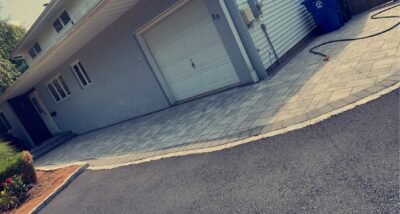
- Asphalt paving
- Driveway resurfacing
- Blacktop driveway installation
- Concrete driveways
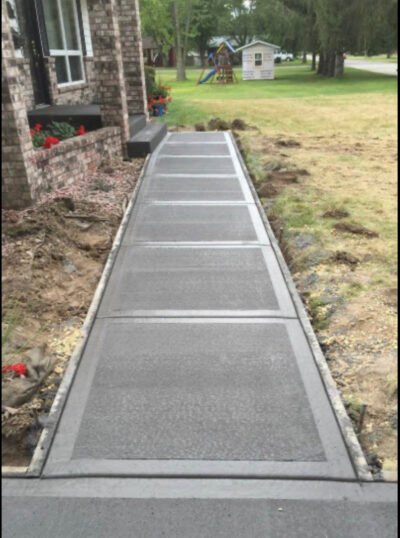
- Concrete walkways
- Concrete sidewalks
- Retaining walls
- Foundation repair
- Basement waterproofing
- Masonry repairs
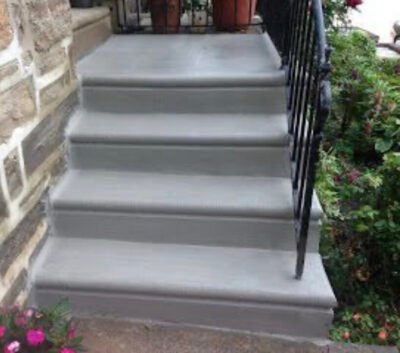
- Steps and stoops
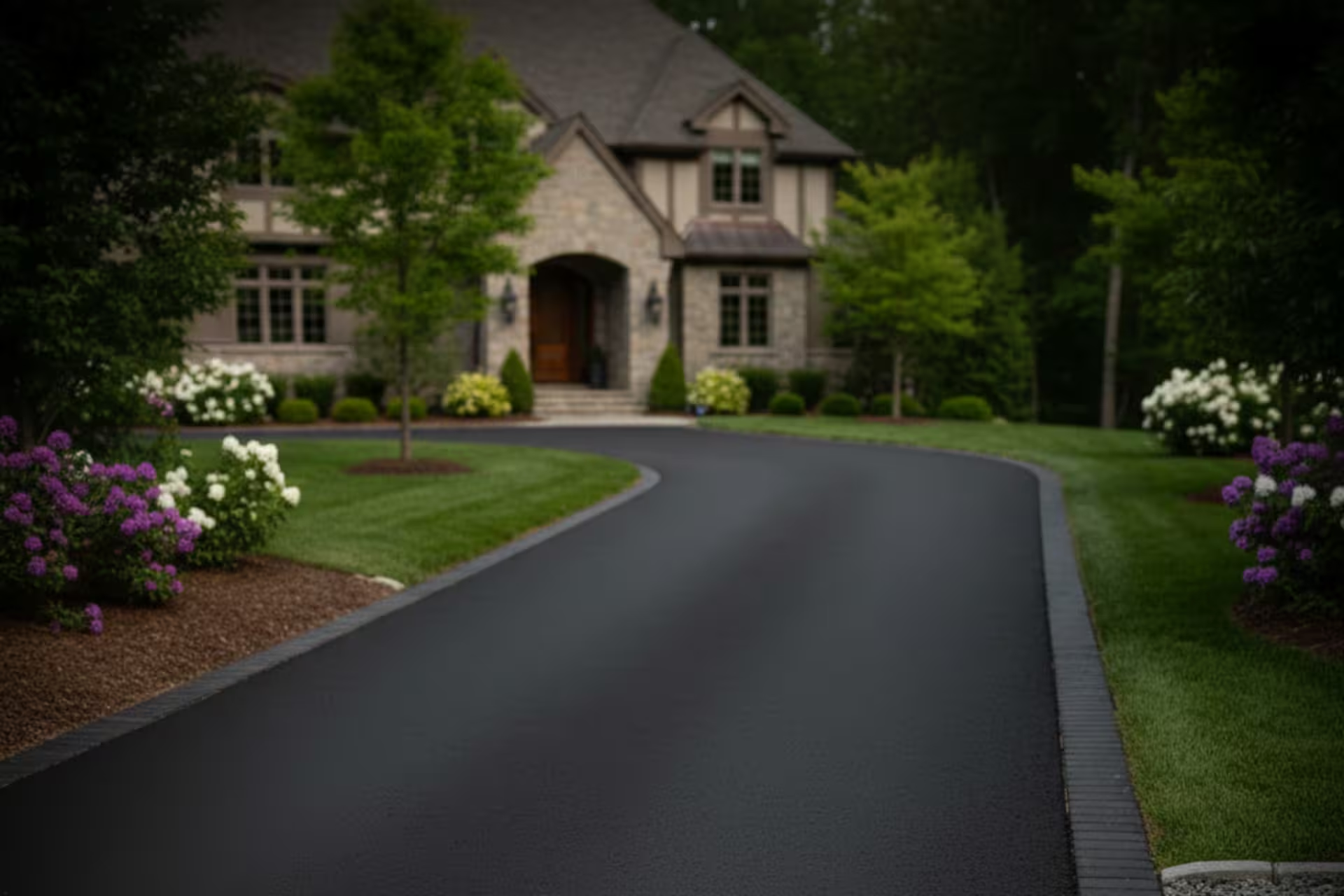
Combining driveway repair with drainage or masonry improvements can help prevent future damage.
Get Asphalt Driveway Repair in Quakertown, PA
If your driveway is cracked, faded, uneven, or full of potholes, it may be time to schedule a professional inspection. Acting early can help you avoid more expensive repairs and extend the life of your driveway.
Whether you need crack repair, pothole patching, asphalt resurfacing, sealcoating, or complete driveway replacement, Advanced Concrete & Paving can help you choose the right solution for your home.